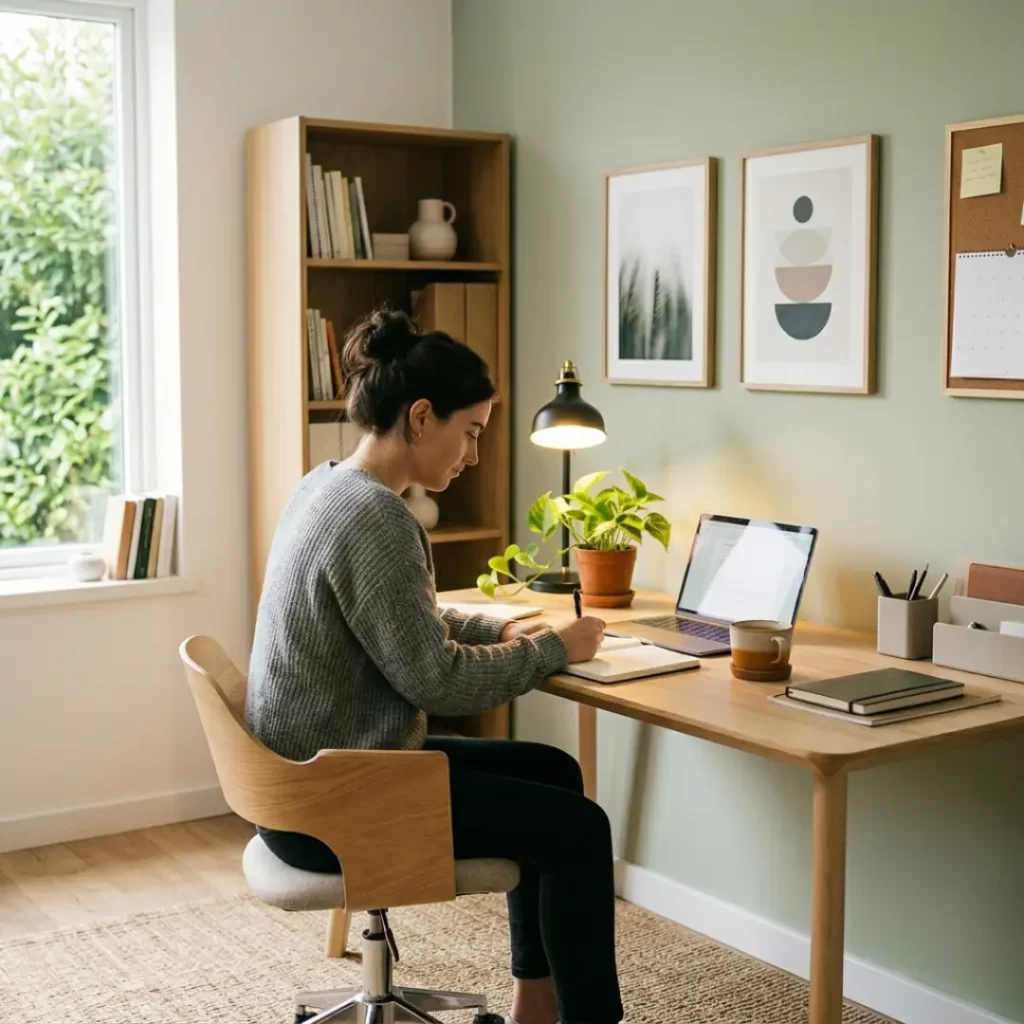
Feeling distracted in your study room? Try these 5 decor tips to improve your focus.
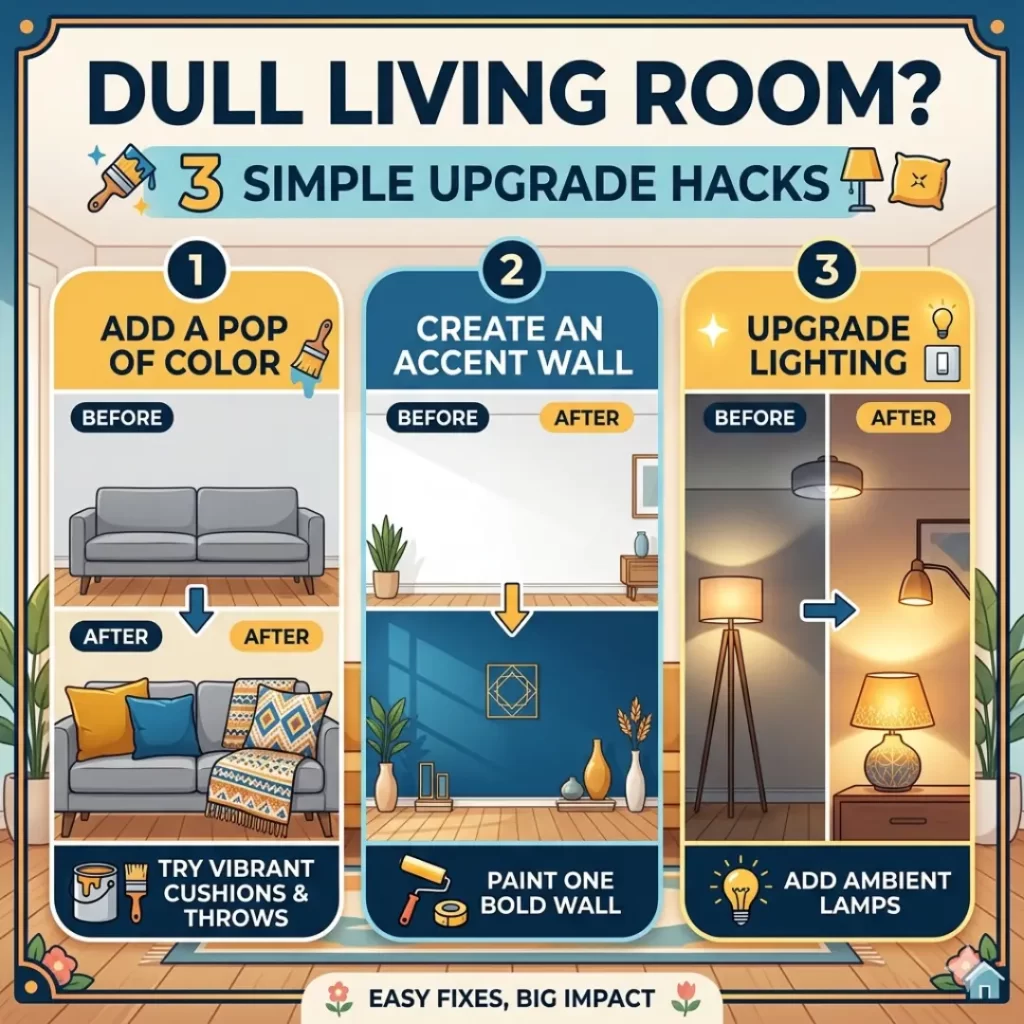
Let’s be honest for a second. How many times have you marched into your study room with a coffee in hand, fully ready to crush your to-do list, only to find yourself an hour later staring blankly at a smudge on the wall or scrolling through social media on your phone? We’ve all been there. The first instinct is usually to blame ourselves. We think, “I just don’t have enough discipline,” or “Why can’t I focus today?” But here’s the thing—have you ever stopped to think that it might not be you? It might be the room. Seriously. Our brains are like sponges; they soak up everything around us. If you walk into a space that is cluttered, messy, or just feels “off,” your brain is going to spend half its energy processing that mess. It’s called visual noise, and it’s the enemy of focus. So, if you’re feeling distracted, take a breath. You’re not broken. You just need to tweak your environment a little. Let’s look at some real, practical ways to fix that, using some solid study room interior Design principles, and I’ll show you how the folks over at Yello-w-alldecor can help you pull it off without the headache. 1. The Color Thing is Real (Stop Ignoring It) I know, I know. Talking about color psychology can sound a bit fluffy. But honestly, walk into a bright red room, then walk into a soft blue room. You feel the difference immediately. Red makes your heart race a little; blue calms it down. If you are trying to study or work, you don’t want your walls screaming at you. That’s why, when you look at any really good study room interior, you’ll usually see calm colors. Sage greens, soft beiges, muted blues—these are the champions of focus. They lower your stress levels just enough to let you actually think. Now, this doesn’t mean your room has to be boring. You can still have personality. The trick is to keep the “big pieces” (walls, large furniture) calm and neutral, and then add your pops of color in the small stuff. A bright yellow lamp, a funky rug, some artwork on the wall. That’s one of those study room decoration ideas that balances calm with energy. If you are working with a bedroom interior design with study table, you have to be extra careful. You don’t want to paint your workspace a color that keeps you awake when you’re trying to sleep later. Stick to a palette that flows with the rest of the room so it feels like one happy family, not a war zone of styles. 2. Lighting: Don’t Work in the Dark Okay, rant time. Bad lighting is the absolute worst. When you are squinting at your laptop in a dimly lit room, your eyes are going to get tired. As soon as your eyes get tired, your brain gets tired, and suddenly you’re napping instead of working. You need layers. This is a huge part of study room interior Design. If you are dealing with bedroom study table interior design, you have to think about other people too. A giant light blinding you while your partner is trying to sleep next to you is a nightmare scenario. A directed desk lamp with a warm bulb is a lifesaver here. It lets you work late without turning your bedroom into a football stadium. 3. The “Clutter” Monster I’m going to say it again: Visual noise is real. If your desk is covered in old coffee cups, stacks of paper you don’t need, and tangles of cables that look like spaghetti, your brain is over-processing. It’s trying to figure out what all that stuff is, and it can’t focus on your work. To find the best study room design, you have to get a little bit ruthless. Or at least, very organized. When you are working on a bedroom interior with study table, you usually don’t have a lot of floor space. That’s when you go vertical. Floating shelves are a godsend. They get your stuff off the desk and onto the wall, freeing up your mind (and your workspace). 4. Sit Like a Human Being Are you comfortable right now? No, really. Is your back hurting? If you are slouching over a desk that is too low, or sitting on a chair that feels like a rock, you are going to fidget. And fidgeting is just your body’s way of saying, “I hate this.” Ergonomics is a fancy word for “furniture that fits you.” When looking for ideas for study room design, don’t just buy the cheapest thing you see. Comfort isn’t a luxury; it’s a tool. If you feel good, you work better. It’s that simple. 5. Bring the Outside In This one sounds easy, but it’s powerful. Put a plant in your room. Seriously. Studies (and just common sense) show that being around nature lowers stress. It’s hard to feel stressed when you’re looking at a little green fern that is just vibing there in the corner. This is a massive trend in modern study room interior for a reason—it works. If you have a black thumb, get a Snake Plant. They are basically unkillable. Or, if you really can’t keep a plant alive, use wood tones in your furniture. A nice wooden desk adds that natural, grounding element to the room without the watering schedule. Sometimes, You Just Need a Pro You can absolutely do all of this yourself. You can go to the store, buy a lamp, paint the wall, and move your furniture around. And that’s great! But sometimes, you look at a room and you just… don’t know where to start. Maybe your room is awkwardly shaped. Maybe you have zero storage ideas. Maybe you just want it to look like it belongs in a magazine. That is where Yello-w-alldecor shines. We aren’t just an “interior design service company” that wants to sell you expensive furniture. We are people who