6 Ways to Style a Midimalist Home
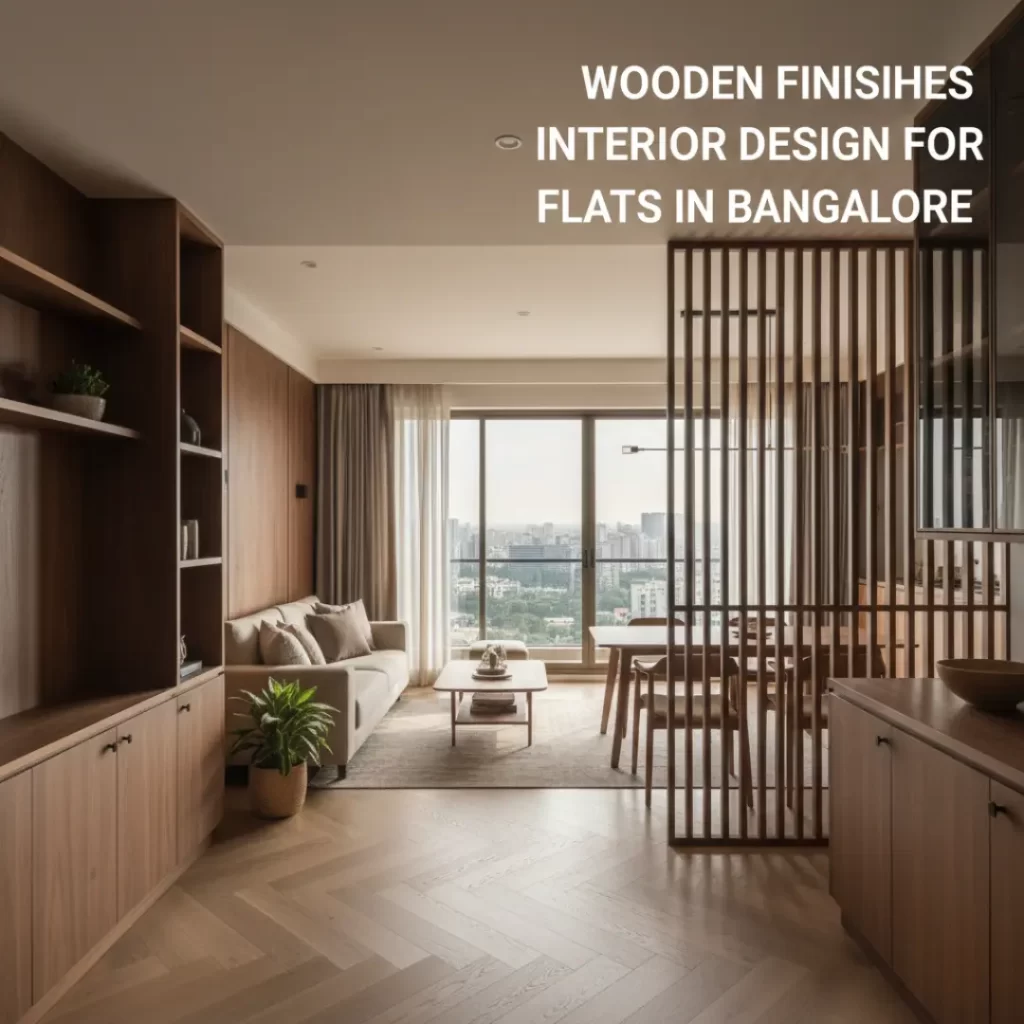
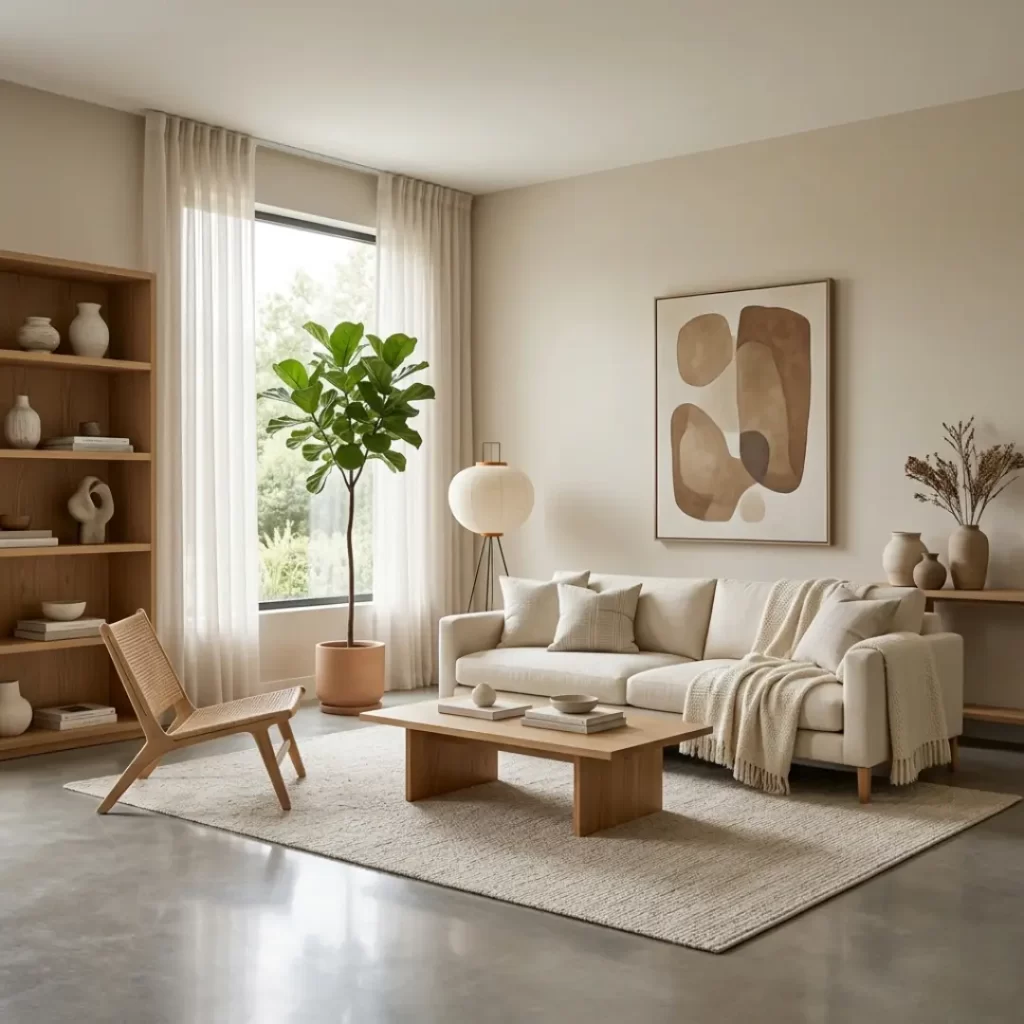
The Rise of Midimalism in Modern Homes Homes can feel too empty or, on the flip side, too busy. That’s a big reason why midimalism is on everyone’s radar right now—it lands somewhere between minimalism and maximalism. It gives you a space that’s layered and stylish, without the chaos. Warmth, practicality, and character all live in harmony. If you’re on the hunt for an Interior Designer near you, this approach is pretty much made for modern living. It blends comfort and beauty in a way that feels effortless. At Yellow Wall Decor, we’ve watched this shift happen firsthand. People aren’t after rooms that just snap well for Instagram. They’re craving homes that truly fit their lives and personalities, yet still feel sharp and organized. That’s where midimalism shines. It lets you personalize each room, but keeps things elegant and totally livable. Doesn’t matter if you’re upgrading a flat, building your family home, or designing a chic workspace—midimalism fits. For most homeowners, the tricky part isn’t choosing between simple and bold. It’s finding that sweet spot. You want a space that feels welcoming—not cold. Curated—not cluttered. Refined, but still uniquely yours. So, it’s no surprise that people working with Interior Designers in Bangalore or searching for an Interior Designer near you are pushing for clean lines mixed with rich textures, smart layouts paired with expressive details, and a vibe that feels both functional and inviting. Honestly, midimalism is more than a passing fad. It’s about crafting a home that really feels like yours. Every room breathes, but still holds onto charm and character. This style works especially well in urban settings where every square foot matters, and nobody wants to sacrifice style for practicality. At Yellow Wall Decor, we’re big believers that the best interiors happen when every design choice is intentional. That’s how a home turns beautiful and actually works for real life. Here are six ways to pull off midimalism while keeping your space comfy, elegant, and ready for everyday life. 1. Start with a Calm Base and Build in Layers Midimalist homes usually start with a peaceful base. Neutral wall colors, simple lines, furniture that feels solid but not flashy. No need for things to be bland or monotonous. The main idea is the foundation brings order, making room for everything else to shine. Soft whites. Warm beiges. Earthy grays. Gentle greens. Natural wood. These colors help open up the space and make it feel soothing. Once you’ve got the base settled, bring in personality with fabrics, art, special lighting, and select furniture pieces. This is where midimalism gets interesting—not about dumping lots of flashy stuff, but picking a few details that add depth. Picture a living room starting with a neutral sofa and a wooden coffee table. Then layer on textured cushions, a patterned rug, sleek wall art, and maybe a sculptural lamp. It comes together without feeling crowded. This layering is great for living rooms—it keeps things visually inviting but still comfortable. We suggest this method a lot at Yellow Wall Decor, especially for clients who want things polished but not chilly. Works wonders for modern apartments, where space is tight but style matters. As one of Bangalore’s best budget interior designers, we stand out for creating premium looks by layering smartly, not overspending. Midimalism proves you don’t need excess to make a home feel rich. 2. Choose Furniture That Balances Form and Function Furniture’s huge in midimalist design. Each piece should earn its spot—functional, comfy, and nice to look at. Bulky pieces can swallow a room. Too few can leave it unfinished. Midimalism hits that perfect middle. Go for sofas with simple shapes but plush cushions. Pick dining tables that feel sturdy and timeless. Look at accent chairs with personality, but not overpowering. Storage matters too, but it should integrate naturally into the room’s look. Don’t fill every corner; place meaningful pieces that add to both how the home works and feels. In small flats, every item needs to be a multitasker. Think entry storage benches, beds with hidden drawers, compact desks for working from home. Midimalism really shines when you choose furniture with intention. Plenty of homeowners search for “Interior Designer near you” hoping for someone who actually understands how people live, not just how to decorate. At Yellow Wall Decor, we plan furniture to support life, not just appearances. A beautiful home should stay easy and pleasant to use long after installation. That practical streak is what draws so many families, professionals, and apartment owners to midimalism. Now, as a growing Bangalore Interior Design company, we see more clients asking for furniture that matches their lifestyle, not just trends. Smart move. Timeless, well-proportioned furniture gives your home genuine flexibility—and that’s what midimalist interiors thrive on. 3. Use Texture and Materials to Add Warmth What’s awesome about midimalism is it never feels flat, even with a soft color palette. That richness comes from texture. Materials matter—wood, linen, stone, glass, cane, matte metal, cotton, soft upholstery—they all combine to bring warmth and depth. In home interiors, texture creates a sense of comfort. Throw in a woven chair, wooden console, cozy blanket, ribbed vase, maybe a stone-finished side table—these transform rooms without crowding them. The beauty of midimalism is in its subtle richness; it doesn’t shout, but it leaves a stronger mark. Bedrooms really benefit here. A simple bed frame feels so much more inviting with layered bedding, upholstered headboards, textured curtains, and soft bedside lighting. These material choices shape not just how the space looks but how it feels. We often use mixed textures at Yellow Wall Decor to make modern homes feel warmer, more lived in. Same goes for home offices. With so many people working from home, spaces need to be productive and comfortable. A midimalist office might get a sleek desk, some wood shelving, a fabric chair, cozy lighting. The materials break up the corporate blandness. Instead of temporary, it feels like a real part of your home. If you’re comparing